Unless they have a wedding coordinator, some couples don’t think about their photography timeline until a month or two before the wedding. Then, the timeline is quickly built without much thought given to how the day will flow for photography. This often means a rushed golden hour or missed detail shots. With our couples, we help build a rough timeline around the light and the moments first, then fit everything else in around it.
Start With Getting Ready, Not the Ceremony
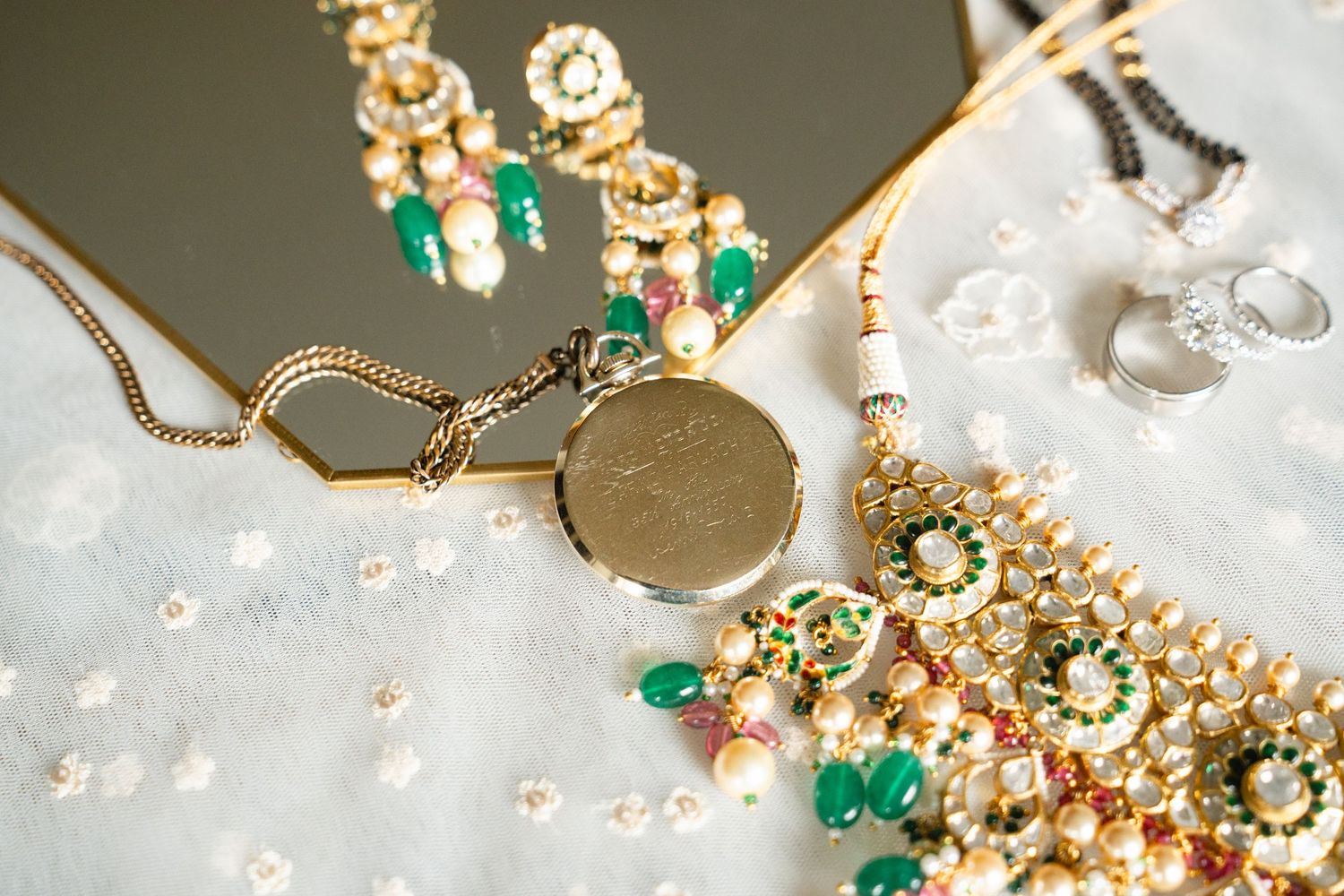
When my team arrives, we go straight to the details before anything else. Rings and ring boxes, invitations, vow books, shoes, jewelry, perfume. These small items tell the story of the day before a single person is in frame.
Getting ready coverage needs more time than most couples plan for, especially if both partners are getting ready at separate locations. As a PNW wedding photography team serving the Seattle and Tacoma area, we typically ask for 60 to 90 minutes per location. That covers the details, candid moments between the wedding party, and the final touches before the dress or suit goes on. If hair and makeup are running behind, the whole timeline can run behind from the start, so build in a buffer rather than scheduling it to the minute.
Protect the First Look, If You're Doing One
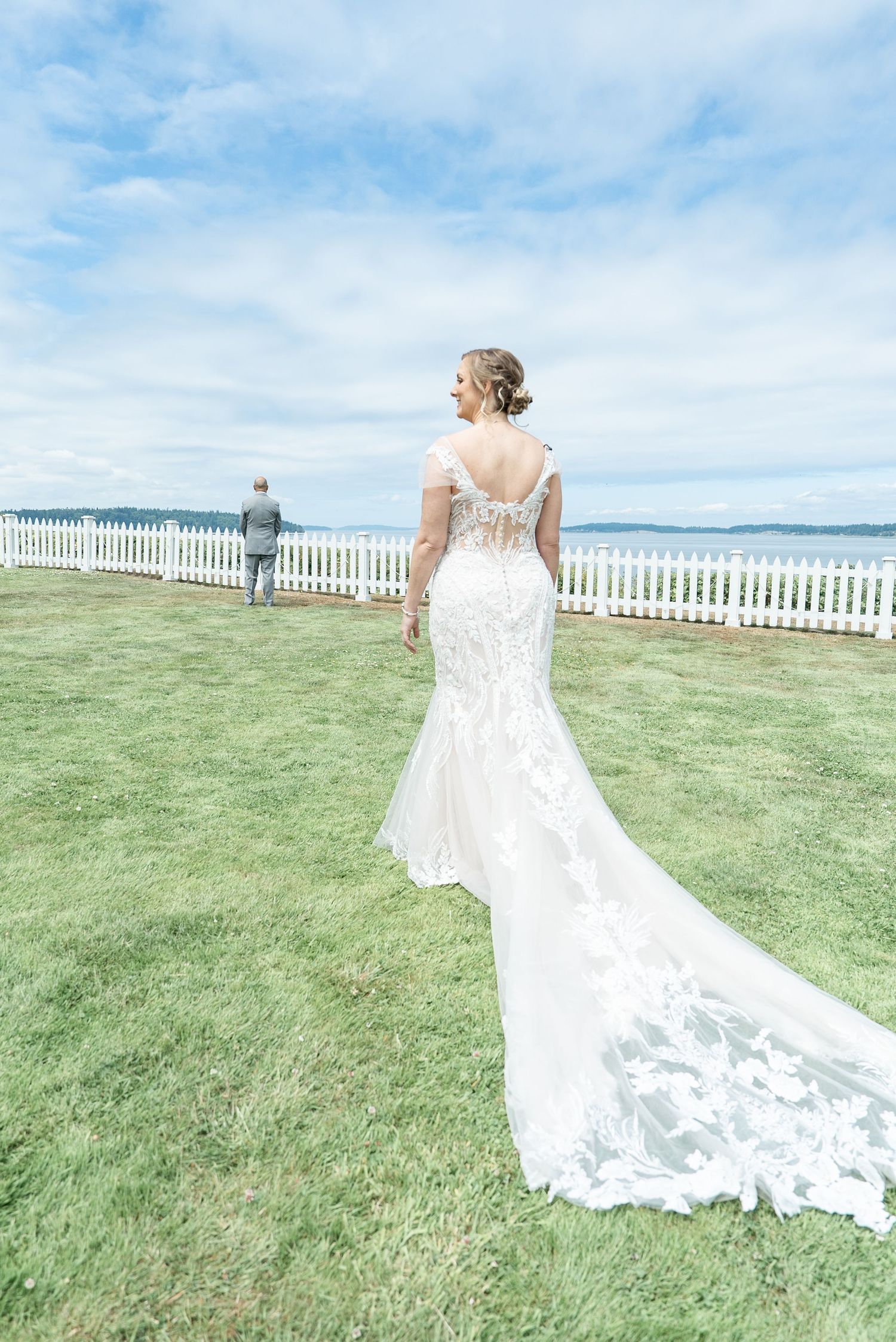
A first look changes the whole shape of a wedding day timeline. It moves portraits earlier, which means more flexibility later and less pressure to rush through cocktail hour. Couples who choose a first look may also feel more relaxed during their ceremony because they have already had their private moment together.
If you skip the first look, portraits have to happen after the ceremony, which compresses your cocktail hour and takes you away from family during that time. Either choice works. What matters is knowing which one fits your vision more and building the rest of the timeline around it.
Golden Hour Is a Must-Have
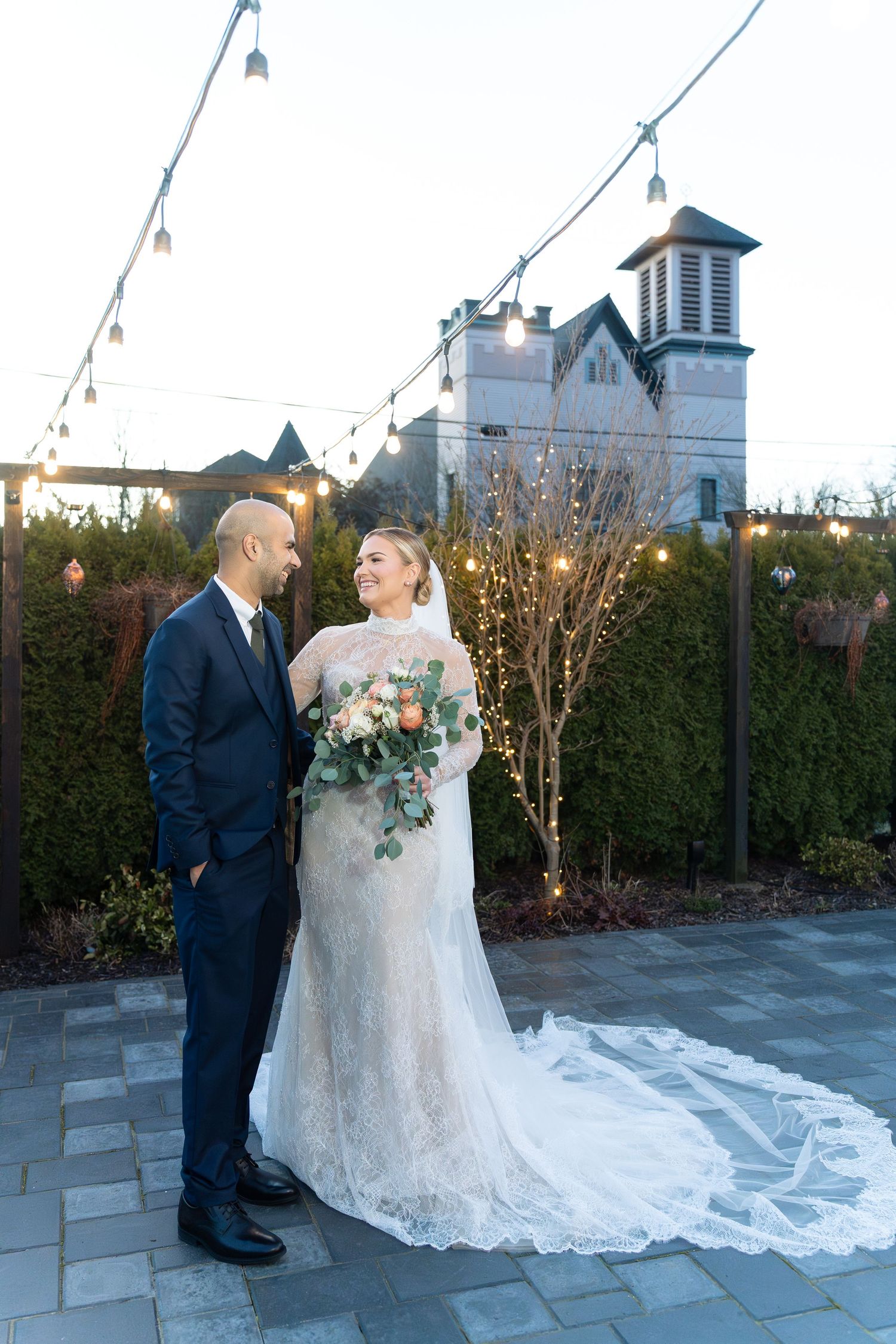
No matter how packed the timeline is, I will always advocate for a 10 to 15-minute window near sunset for portraits. Always. This is the light that offers soft, warm, and flattering skin tones better than any other time of day
Ask your venue coordinator for sunset time on your actual wedding date and build a short window into the reception timeline to step outside about an hour before the sun goes down. Even if it is just the two of you for ten minutes while guests are dancing, that window produces some of the most beautiful images in a gallery.
Family Formals Need a List, Not a Guess
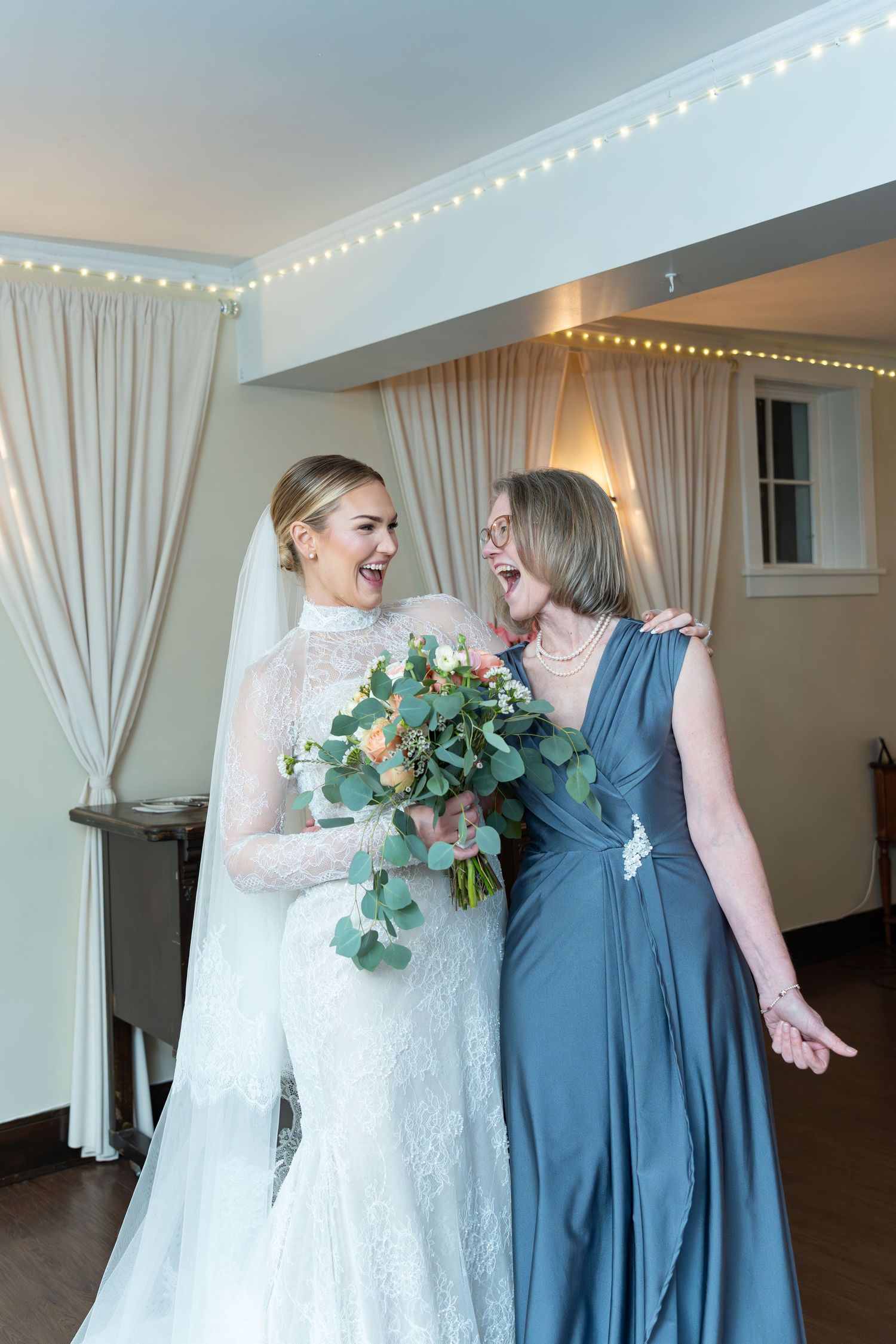
Family portraits are where timelines fall apart the fastest. Someone is missing, someone wandered to the bar, and ten minutes turns into thirty. The fix is simple. Send your photographer a written list of every combination you want ahead of time, organized by side of the family, and assign one person from each side to help gather relatives when it is their turn. I have a template for this that includes suggested family groupings.
We generally plan for two to three minutes per grouping. A list of ten combinations takes about 25 to 30 minutes when everyone shows up on time. Fewer combinations means more time for candid coverage during cocktail hour.
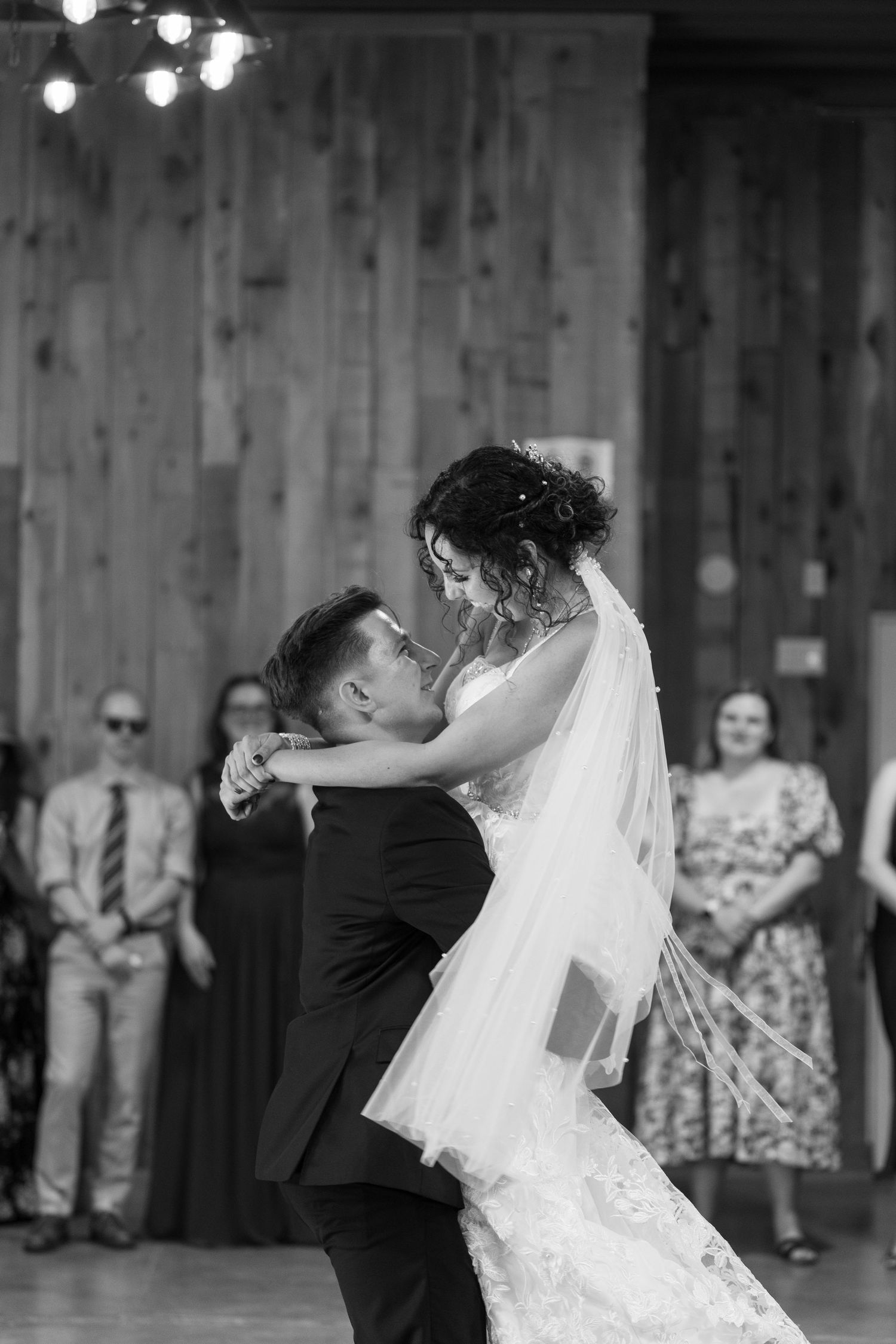
Reception Coverage Is More Than the Dances
Couples often plan the ceremony and portraits in detail, then treat the reception as an afterthought. But some of the best storytelling images happen during dinner and dancing. As photographers, we notice how much easier it is to capture meaningful images when couples feel relaxed, and by reception time, most couples finally are.
Make sure your photographer's coverage extends through the events that matter to you specifically. Speeches, the first dance, cake cutting, and the moment the dance floor opens are all worth planning around.
A Sample 8 Hour Timeline for a Summer Afternoon Wedding
- 11:00 to 11:30 PM — Detail shots
- 11:30 to 12:00 PM — Groom and groomsmen getting ready photos
- 12:00 to 12:30 PM — Bride and bridesmaids getting ready photos
- 12:30 to 1:00 PM — Bride gets into dress
- 1:00 to 1:30 PM — First look and couple's portraits
- 1:30 to 2:00 PM — Bridal party photos
- 2:00 to 2:30 PM — Family formals
- 2:30 to 3:00 PM — Hide away as guests arrive
- 3:00 PM to 3:30 PM — Ceremony
- 3:30 to 4:30 PM — Cocktail hour
- 4:30 to 6:30 PM — Reception, dinner, speeches, cake cutting
- 6:30 PM — Golden hour portraits
- 7:00 PM — Photographer departs
To include dancing photos and a send-off, a 10-hour package would be the best fit.
Every wedding day shifts slightly based on ceremony time, venue, and season, but this structure gives you a starting point to work from with your planner or coordinator.
FAQ
How long should photography coverage be? Most full-day weddings need 8 to 10 hours of coverage. That gives enough room for getting ready, ceremony, portraits, and a solid chunk of the reception without cutting corners on any one part.
What if our ceremony is at sunset? Then golden hour portraits move before the ceremony instead of after, usually during a first look. We build the timeline around whatever light window your ceremony time gives us.
Can we skip family formals to save time? You can, but you may regret not having family photos. A shorter, well-organized list still only takes 20 to 30 minutes and gives you images you cannot recreate afterward.
If you're planning a PNW wedding or elopement, I'd love to help you build a timeline that actually works for your day. Send me your date and venue, and let's map out a schedule that protects the light and the moments that matter most to you.